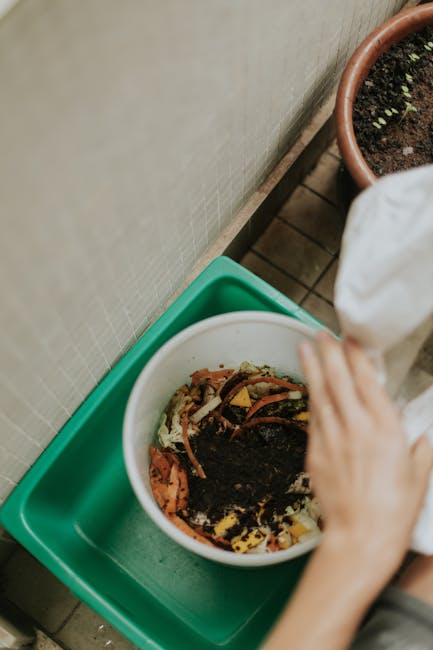
Convert Garden Waste to Compost: Safe Rubbish Sorting Tips
Turning garden waste into compost sounds simple until you're standing over a mixed pile of hedge trimmings, soil, plastic plant pots, tangled twine, and one mystery item that definitely should not be there. The good news is that with a calm sorting routine, you can convert garden waste to compost safely, keep contamination out of your heap, and make a better end product for borders, beds, and pots. This guide explains what to keep, what to remove, and how to sort green waste in a way that is practical, tidy, and realistic for everyday homes and small businesses.
If you are dealing with a bigger clear-out as well as garden debris, it can help to think beyond the compost bin. Services such as garden clearance and broader waste removal can be useful when you have a mixed load that includes soil, branches, broken planters, and non-compostable junk. The aim is not to overcomplicate things; it is to separate materials well enough that the compostable fraction stays clean and useful.
Expert summary: Composting works best when you keep organics clean, dry enough to breathe, and free from plastics, treated wood, metals, and food-soiled packaging. Sort first, compost second.
Why Convert Garden Waste to Compost: Safe Rubbish Sorting Tips Matters
Garden waste is one of the easiest waste streams to recover, but only if it is sorted with a bit of discipline. A compost heap can handle a lot: grass cuttings, leaves, small prunings, dead flowers, and soft plant material. What it cannot handle well is contamination. One small plastic tie, a spray bottle, a bit of treated timber, or a chunk of glossy plant label can reduce the quality of the whole batch.
That matters for two reasons. First, the end compost is only as good as the input material. Second, poor sorting can create avoidable mess, odour, pests, or the need to remove the batch later. Nobody wants to go digging through a half-finished compost pile with a garden fork because a black bin liner was accidentally included. It is one of those jobs that feels minor right up until it becomes very annoying.
Safe sorting also matters if your garden waste is mixed with household rubbish after a project. For example, after trimming hedges and clearing a shed, you may have recyclable green waste beside packaging, broken tools, and worn-out bags. In that situation, a broader clearance approach such as rubbish clearance or waste clearance may be the cleaner option, because the load can be separated properly before anything goes into composting.
When done well, composting becomes a low-waste habit rather than a one-off chore. You reduce trips to disposal points, you improve your soil structure, and you give useful organic matter a second life.
How Convert Garden Waste to Compost: Safe Rubbish Sorting Tips Works
Composting is the controlled breakdown of organic material by microorganisms, moisture, and oxygen. That sounds technical, but the practical version is straightforward: the right materials are layered or mixed, air can move through them, and the pile is kept in the right balance of "green" and "brown" materials.
Green materials are nitrogen-rich and usually fresh or moist. Think grass cuttings, soft weeds, and plant clippings. Brown materials are carbon-rich and tend to be dry or woody. Think dead leaves, shredded cardboard, and small twiggy prunings. A useful compost mix usually has both.
The sorting step comes before the building step. You need to remove anything that will not break down safely, such as:
- plastic plant pots, labels, and ties
- metal wire, tools, and screws
- stones, rubble, and ceramic fragments
- treated timber, painted wood, or wood preservatives
- rubbish bags unless they are specifically compostable and accepted by your system
- large branches that need chipping first
If you are handling a large quantity of woody waste, a service such as builders waste clearance is not for the compost bin itself, but it can be useful where the load is mixed with non-organic material from landscaping or renovation work. The compost pile should receive only the materials that genuinely belong there.
A simple way to think about it: sort, size-reduce, balance, then compost. That order saves time later.
Key Benefits and Practical Advantages
Composting garden waste is not only about being "eco-friendly"; it solves real practical problems in the garden.
- Lower disposal volume: You can drastically cut the amount of waste that needs collecting or taking to a site.
- Better soil structure: Mature compost helps sandy soils hold moisture and heavy soils drain more evenly.
- Reduced bagging and transport: Less garden waste ends up tied in bags or loaded into a car.
- On-site soil improvement: You create a useful material for beds, borders, and mulch.
- Cleaner garden routines: Regular sorting prevents green waste from becoming a mixed rubbish pile.
There is also a quiet financial benefit. If you usually pay to have all garden waste removed, composting part of it means fewer collections, fewer bags, and less weight to shift. If you do need professional help for the remainder, checking pricing and quotes early can help you understand whether it is cheaper to compost the clean green waste yourself and clear the rest separately.
Another advantage is timing. Composting lets you deal with waste at the pace your garden produces it. A spring prune, a summer mow, and an autumn leaf fall can all be handled as separate streams instead of one mixed, awkward heap.
Who This Is For and When It Makes Sense
This approach makes sense for a wide range of readers:
- homeowners with a standard garden bin or compost heap
- renters with shared outdoor space and limited storage
- allotment holders who want to reuse organic waste onsite
- landlords or managing agents keeping communal gardens tidy
- small businesses with grounds or planter beds
It is especially sensible when your garden waste is fairly clean and mostly organic. If you have only leaves, grass, weeds, and soft prunings, composting is usually the best first step. If the waste is bulky, woody, contaminated, or mixed with household junk, then separating the stream first is wiser.
For example, after a seasonal tidy-up you might have one pile of plant matter and another of broken storage items, old buckets, or a tired fence panel. Compost the first; clear the second through a suitable waste route. If the task has become a bigger mixed load, a local London waste removal service or even a borough-specific page like Greenwich can be relevant depending on where you are.
Truth be told, the method makes the most sense when you treat it as sorting work, not just gardening work. That small shift changes everything.
Step-by-Step Guidance
1. Separate the pile before you touch the compost bin
Start with a visual sort. Put garden material in one area, and anything suspicious in another. Don't toss the whole heap straight into the compost zone and hope for the best. Hope is not a sorting system.
Look for obvious contaminants: plastic, metal, glass, synthetic string, broken pots, and packaging. Remove them first.
2. Divide green waste from brown waste
Next, separate soft, moist material from dry, woody material. Grass cuttings, flower heads, and fresh weeds are green waste. Leaves, straw-like stems, and shredded cardboard are brown waste.
This makes it easier to get the compost balance right. Too much green waste can go slimy. Too much brown waste can sit there looking offended and do very little.
3. Cut bulky material down to size
Thick stems, hedge cuttings, and branches decompose better when cut or shredded. A simple garden shredder can help, but you can also use secateurs or loppers for smaller loads. The smaller the pieces, the easier microbes can get to work.
If branches are too woody, consider whether they belong in compost at all. In many cases, a garden clearance solution is better for oversized woody material, especially if it is tangled with non-compostables.
4. Keep "problem items" out entirely
Do not compost:
- treated or painted wood
- pet waste
- cooked food
- oily materials
- glossy paper and laminated items
- synthetic fabrics
- weed seeds that may survive and spread
Some materials are technically organic but still poor choices. Persistent weeds or diseased plants can survive poorly managed piles and reappear later. Better to remove them or dispose of them separately.
5. Build the compost with airflow in mind
Once sorted, layer or mix the waste so the pile has structure. Alternate wet green material with dry brown material. Avoid compacting it tightly. Compost needs air to keep decomposition aerobic, which is the cleaner, less smelly route.
6. Watch moisture and texture
The ideal feel is often described as damp like a wrung-out sponge. Too wet and it can smell; too dry and decomposition slows. If the pile is wet, add shredded cardboard or dry leaves. If it is dry, lightly water it.
7. Leave time for the process
Compost is not instant. Depending on materials, turning, and conditions, it takes time to break down properly. Once it has a dark, crumbly, earthy texture and the original items are no longer recognisable, it is usually ready to use.
Expert Tips for Better Results
If you want cleaner compost and fewer headaches, these habits help a lot.
- Chop more than you think you need to: Smaller pieces decompose faster and more evenly.
- Keep a "reject" bucket nearby: It is easier to remove contamination immediately than later.
- Mix grass cuttings with dry material: Grass alone mats down and can smell.
- Use a dedicated compost fork or rake: It keeps the process tidy and makes turning easier.
- Store dry leaves for later: Autumn leaves are one of the best balancing materials in composting.
- Label anything that looks questionable: In a shared garden, it helps stop accidental contamination.
One useful real-world observation: most compost problems are not caused by "bad composting" so much as by lazy sorting. Get the sorting right and half the work is already done.
If your garden waste comes from a wider declutter as well as pruning, you may also benefit from support pages such as recycling and sustainability or service pages like waste disposal, especially when you are balancing compostable material with items that must leave the site entirely.
Common Mistakes to Avoid
These are the errors that cause most composting frustration.
Mixing all garden waste together without checking it
One forgotten plastic tie or broken pot can contaminate the whole batch. Slow down during the sort.
Adding too much grass at once
Fresh grass is useful, but large clumps compact and turn anaerobic. Spread it thinly and mix it with brown material.
Including treated, painted, or preserved wood
These materials do not belong in compost. They can leave unwanted residues and slow the breakdown process.
Ignoring large woody stems
Huge branches take far too long to break down in a standard heap. Cut them up or divert them to another route.
Composting weeds with mature seeds
Unless your system reaches and maintains proper temperatures for long enough, seeds can survive and spread later.
Forgetting about hidden contamination
Twine, tape, tags, and plant clips tend to hide in leaf piles. They are small, but they matter.
When your load has too many mixed materials to sort cleanly, it is often more efficient to use a broader service such as rubbish removal or waste collection for the non-compostable fraction and keep the green waste stream separate.
Tools, Resources and Recommendations
You do not need a lot of equipment, but the right tools make safe sorting much easier.
| Tool or resource | Why it helps | Best for |
|---|---|---|
| Compost bin or bay | Keeps the pile contained and tidier | Home gardens and allotments |
| Garden fork | Turns and aerates the pile | General compost management |
| Secateurs or loppers | Reduce branch size quickly | Prunings and hedge cuttings |
| Shredder | Speeds decomposition of woody material | Larger gardens with regular pruning |
| Collection sacks or crates | Keep materials separated before sorting | Mixed clear-outs and seasonal jobs |
| Gloves and a mask | Protects hands and reduces dust exposure | Messier or drier material handling |
For people who would rather avoid handling a large mixed pile themselves, there are practical support options. Bulk waste collection can help when the quantity is too much for a standard bin, while bulky waste collection is useful when the pile includes oversized non-compostable items. If the job has become a full clear-out, home clearance or garage clearance may also be relevant.
And if your concern is how the company handles safety and recycling, pages like health and safety policy and insurance and safety are useful trust signals to review before booking any waste service.
Law, Compliance, Standards, or Best Practice
For most households, composting garden waste is straightforward, but good practice still matters. In the UK, waste should be handled responsibly, and you should avoid mixing recyclable organic material with items that could contaminate a load or create a nuisance. Local councils may have different rules for green waste collections, and guidance can vary by area.
A sensible rule of thumb is this: if an item would make compost unsafe, unclean, or impractical, remove it. If you are unsure whether something is accepted, check your local council guidance or keep it out of the compost until you know for sure.
For mixed loads, it is often better to separate the waste stream into distinct categories:
- Compostable garden waste: leaves, grass, soft prunings, plant cuttings
- Recyclable items: clean rigid plastics or materials accepted by your local scheme
- General waste: contaminated or unsuitable items
- Special items: anything requiring a separate disposal route
Where a professional service is involved, look for clear policies and transparent processes. Pages such as terms and conditions, privacy policy, and payment and security help you understand how the service is run. That is not composting advice exactly, but it is part of choosing a dependable provider when you need extra support.
Options, Methods, or Comparison Table
There is no single correct composting method. The right approach depends on the amount of waste, the space you have, and how much sorting you are willing to do.
| Method | Best for | Strengths | Limitations |
|---|---|---|---|
| Open heap | Large, simple garden spaces | Easy to start, low cost | Can look untidy, more exposed to pests and weather |
| Enclosed compost bin | Small to medium gardens | Tidier, warmer, better moisture control | Needs regular turning and careful balancing |
| Compost bay system | Regular gardeners | Good for rotation and larger volumes | Needs space and a bit more setup |
| Shredded-leaf storage | Autumn leaves and dry material | Excellent brown material reserve | Not a full compost solution on its own |
| Professional waste collection for non-compostables | Mixed or bulky loads | Saves time, removes problem items safely | Not for materials you can easily compost yourself |
If your garden waste is mostly clean and soft, home composting usually wins. If it is mixed, bulky, or contaminated, a split strategy is often best: compost the clean organic fraction and use a specialist service for the rest.
For readers in or around the capital, area pages such as North London, West London, or South West London may help when location-specific collection is more convenient.
Case Study or Real-World Example
Imagine a small terraced garden after an early autumn tidy-up. The owner has three piles: one of leaves and grass, one of hedge trimmings, and one mixed bag containing old plant pots, bits of twine, and a cracked plastic watering can.
Instead of throwing everything into one wheelbarrow, the owner sorts the materials into four groups:
- clean leaves and grass for compost
- woody trimmings to be cut down or chipped
- hard plastics and labels for disposal or recycling where appropriate
- anything doubtful kept aside until identified
The leaves are stored as brown material. The grass is mixed in sparingly. The hedge cuttings are reduced in size, then layered in with dry material. The broken pot and twine are removed entirely.
What changed? Nothing dramatic. The garden still had waste. But the final heap was cleaner, easier to manage, and far more likely to become usable compost instead of a messy half-composted clump. That is the real win here: not perfection, just better sorting.
If the same garden had also included old outdoor furniture or storage units, the owner could have used services like furniture disposal or large item collection for the non-garden items, while keeping the compostable waste separate.
Practical Checklist
- Remove plastic ties, labels, plant pots, and packaging.
- Keep treated wood, painted wood, and preserved timber out of compost.
- Separate green waste from brown waste before mixing.
- Cut large branches and stems into smaller pieces.
- Mix grass cuttings with dry material to avoid matting.
- Keep diseased plants and seedy weeds out unless you know your system can manage them safely.
- Use a compost fork to aerate the pile regularly.
- Check moisture: damp, not soggy.
- Store useful dry leaves for future balance.
- Move any mixed or bulky non-compostables into a separate disposal stream.
If you like having a simple process, the checklist is the process. Print it, screenshot it, or keep it in the shed door. Whatever works.
Conclusion
To convert garden waste to compost safely, the most important job is not the composting itself but the sorting beforehand. Keep the organics clean, separate green and brown materials, cut bulky items down to size, and remove anything that could contaminate the heap. Do that consistently and your compost will be easier to manage, safer to use, and far more useful in the garden.
When the load is mixed, bulky, or beyond what a home compost setup can handle, it makes sense to separate the waste stream and use the right collection route for the non-compostable parts. That keeps the compost clean and the whole job much less stressful.
Get a free quote today and see how much you can save.
If you are planning a bigger tidy-up or need help with mixed garden waste, explore contact options, compare pricing and quotes, or review the company's about us page to see how the service fits your project.
Frequently Asked Questions
Can all garden waste be composted?
No. Most soft garden waste can be composted, but plastics, treated wood, metals, stones, and glossy labels should be removed. Some weeds and diseased plants are also better kept out unless your compost system is designed to handle them properly.
Should I compost grass cuttings or throw them away?
Grass cuttings are excellent compost material in small to moderate amounts. The key is not to add huge clumps. Mix them with dry leaves, shredded cardboard, or twiggy material so the pile does not compact.
What garden waste should never go in compost?
Do not compost treated timber, painted wood, plastic ties, metal, stones, pet waste, oily materials, or anything that may contaminate the finished compost. When in doubt, keep it out.
How do I stop compost from smelling bad?
Bad smells usually mean the pile is too wet, too compact, or overloaded with green material. Add dry brown waste, turn the heap to bring in air, and avoid dumping too much fresh grass at once.
Do I need a special bin to compost garden waste?
No, but a compost bin or bay helps with tidiness, moisture control, and heat retention. If you have space, it usually gives more consistent results than an open heap.
Can I compost hedge trimmings and small branches?
Yes, if they are cut into smaller pieces. Very woody stems decompose slowly, so shredding or chopping them first makes a big difference. Large or awkward branches may be better handled separately.
What is the difference between green waste and brown waste?
Green waste is fresh and nitrogen-rich, like grass and soft prunings. Brown waste is dry and carbon-rich, like dead leaves and small twigs. Good compost usually needs both types in balance.
How long does garden compost take to be ready?
It varies depending on what you put in, how small the pieces are, and how often you turn the pile. A well-managed heap will usually break down faster than one left untouched, but patience is still part of the process.
Can I compost weeds from the garden?
Some weeds can be composted, but seed heads and persistent root weeds are risky if your heap will not reach and hold the right temperatures. If you are unsure, dispose of them separately.
What should I do with mixed garden waste that includes rubbish?
Split the load. Compost the clean organic fraction and separate anything non-compostable. For larger mixed piles, a service such as waste removal or garden clearance can be a practical next step.
Is it worth paying for garden waste removal if I can compost at home?
Sometimes yes. If the waste is bulky, contaminated, or too much for your compost system, professional removal can save time and reduce the risk of contaminating your compost. It can also be the better option for a single big clear-out.
Can I put soil in my compost?
Small amounts are usually manageable, but large quantities of soil can make a heap heavy and slow to aerate. If you have a lot of soil, it is often better handled separately.
How do I know if my compost is ready to use?
Finished compost is typically dark, crumbly, and earthy-smelling. You should no longer be able to clearly identify the original garden waste. If it still looks like the items you put in, give it more time.
Where can I find more support if my garden waste is part of a bigger clear-out?
Start with a trusted local service page, check their process and safety information, and compare the relevant options before booking. For mixed loads, pages like recycling and sustainability and waste disposal can help you choose the right route.