
Modern Slavery Statement for Sofa Removals
This Sofa Removals modern slavery statement sets out the commitment of our sofa moving service to prevent forced labour, human trafficking and any exploitation across our operations and supply chain. We operate a robust zero-tolerance approach to modern slavery and expect the same high standards from all suppliers, contractors and partners involved in sofa transport, couch removals and related logistics.We recognise that the moving and furniture removal sector, including specialist sofa removal and couch relocation services, can present risks where vulnerable individuals might be exploited. Our policy applies to every part of the business, from collection and delivery to storage and subcontracted sofa removal teams. Prevention, detection and response are the cornerstones of our approach.
 Our zero-tolerance policy means that any form of modern slavery is unacceptable. We will not engage with suppliers who fail to meet our minimum standards or who do not participate in remedial actions. All fleet contractors, external labour providers and warehousing partners must sign our anti-slavery code of conduct and demonstrate compliance through documented evidence and third-party checks.
We carry out regular supplier audits and due diligence to assess risk and to ensure compliance with this policy. Supplier assessments consider labour practices, recruitment fees, worker contracts, hours, wages and accommodation where provided. Where risks are identified, we implement corrective action plans and, where necessary, suspend or terminate relationships with non-compliant partners to protect workers and our reputation.
 Audits include on-site inspections, document reviews and interviews with staff to corroborate records. Our audit scope specifically targets the unique risks of the sofa removals industry: multiple subcontracting layers, seasonal labour peaks for sofa transport, and the informal recruitment channels sometimes used for manual handling roles in furniture moving.
We maintain a clear set of audit criteria and require suppliers to provide evidence such as payroll records, right-to-work checks, recruitment agreements and grievance mechanisms. Where practical, we prioritise suppliers who can demonstrate ethical sourcing and transparent labour practices for their sofa removal workforce.
Our reporting channels are designed to be accessible and protective. Staff, contractors and third parties can report concerns confidentially through internal hotlines, secure email submission and anonymous reporting tools. Reports of suspected modern slavery in couch removals or sofa relocation operations are treated seriously, investigated promptly and escalated to senior management.
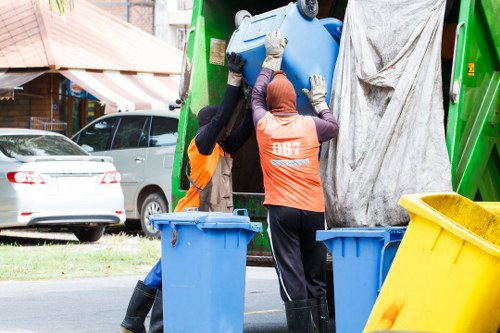
![A close-up view of a green outdoor rubbish bin with a black plastic liner visible inside, secured by a person's hand gripping the lid handle. The bin is positioned on a concrete surface, likely on a driveway or pavement in a residential or commercial area. The lid is partially open, revealing the empty liner, while the surrounding environment is neutral with no specific background details. The bin appears to be made of durable plastic with a slightly textured surface and is situated in an area where refuse is routinely collected. This image exemplifies typical rubbish removal practices, with Sofa Removals providing waste management services in the local area near [POSTCODE] or [TOWN].](/pub/_photos/rubbish/f1390639104.jpg) We support whistleblowers and protect complainants from retaliation. Investigations follow a documented procedure, and where exploitation is confirmed, we work with authorities, local NGOs and remediation specialists to ensure victims receive appropriate support, and that root causes are addressed.
We support whistleblowers and protect complainants from retaliation. Investigations follow a documented procedure, and where exploitation is confirmed, we work with authorities, local NGOs and remediation specialists to ensure victims receive appropriate support, and that root causes are addressed.
 Training is mandatory for all employees engaged in sofa removals, customer scheduling and supplier management. Training materials cover how to spot signs of forced labour, how to use reporting channels, and the responsibilities of managers overseeing couch removals projects. We also provide targeted guidance for procurement teams on conducting ethical supplier due diligence.
As part of our governance, we publish this statement annually and conduct an annual review of our policies, risk assessments and remedial outcomes. The annual review evaluates the effectiveness of supplier audits, the adequacy of training, and the responsiveness of reporting mechanisms. Findings inform continuous improvement across our sofa transport services and operational controls.
Key elements of ongoing monitoring include:
- Regular supplier reassessment and audit follow-up for sofa removal subcontractors
- Performance indicators for supplier compliance and incident resolution
- Updated staff training and scenario-based exercises for movers and coordinators
We are committed to transparency and continual improvement. This modern slavery statement for our sofa removals company will be reviewed at least once a year and amended as necessary to respond to emerging risks in the furniture moving and sofa removal industry. By embedding these measures into our operations and procurement decisions, we reaffirm our zero-tolerance stance and our obligation to protect human rights at every stage of the sofa removal process.