Recycling and Sustainability at Sofa Removals
At Sofa Removals we take a hands-on approach to reducing waste from furniture clearance and to promoting circular economy principles. Our sofa removals and sofa removal service are designed not only to make space in your home but to ensure that every item is assessed for repair, reuse, donation or material recovery. We set a clear recycling percentage target across operations and work with local infrastructure and community partners to meet it. Our objective is to move beyond simple bulky waste collection and become a model for responsible sofa disposal.
Local transfer stations and borough collaboration
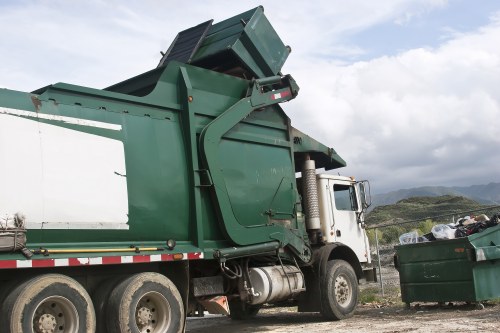
We operate closely with municipal transfer stations and waste processing hubs across the city. Many boroughs have progressive approaches to waste separation ??? for example, textile banks, separate bulky waste streams and local reuse networks in boroughs such as Camden, Southwark and Hackney ??? and we align our collections with those systems. By integrating with local transfer stations we ensure that materials such as timber frames, metal springs, foam and upholstery fabrics follow the correct downstream routes for recycling or refurbishment rather than heading to landfill.
Partnerships with charities and social initiatives
We maintain active partnerships with charities, furniture banks and community projects to give sofas a second life. Our charity partners accept items suitable for reuse, and we support social enterprises that repair and upcycle soft furnishings. Typical partnership activities include:- Direct donation of refurbished sofas to families in need
- Collaboration with furniture recyclers for materials recovery
- Workshops and training programs that teach repair and upholstery skills
Our recycling percentage target and timelines
We have set a measurable recycling percentage target: to achieve 90% reuse or material recovery of all sofas and large soft furniture collected by 2028. This target covers both whole-item rehoming (resale or donation) and material-level recycling (separating metal, timber and foam for processing). To reach this goal we track every load, categorize outcomes (reuse, repair, recycle, landfill) and report our progress internally. Achieving this threshold will substantially reduce the environmental impact of sofa disposal and contribute to borough-level waste reduction targets.![A young woman with blonde hair, dressed in a pink and blue checkered shirt and dark trousers, is standing against a plain white background. She is holding a grey recycling bin filled with assorted recyclable bottles made of plastic and glass, which are visible at the top of the bin. In her other hand, she carries a large black rubbish bag made of plastic, which appears to be filled with waste. The scene is neutral and professional, emphasizing waste collection and rubbish removal services. This image illustrates concepts related to rubbish disposal and recycling, relevant to professional rubbish removal services such as those offered by Sofa Removals. The focus is on the woman’s cheerful expression, the practicality of her task, and the contrasting materials and colors of the bin and rubbish bag. The overall setting suggests an environment where waste management activities are being demonstrated or performed. The image conveys a clear message about waste collection, a core aspect of rubbish removal, suitable for use on a webpage about recycling and sustainability in the UK, possibly in proximity to the [POSTCODE] or [TOWN].](/pub/_photos/rubbish/f1347167072.jpg)
Low-carbon vans and efficient collections
Our fleet includes low-carbon vans ??? a mix of electric vehicles (EVs) and Euro6-hybrid light vans ??? and we continuously expand the number of fully electric sofa removal vehicles. Route optimization software reduces unnecessary mileage and consolidates pickups to lower emissions per item. Using low-emission transport for sofa collection means our sofa removal service contributes to cleaner air and a smaller operational carbon footprint while still providing reliable bulky item collection across inner and outer boroughs.At transfer stations and partner depots we separate components: metal springs are sent to metal recyclers, timber frames to wood processors, and foams and fabrics to specialist recyclers or remanufacturers where available. Our teams are trained to perform an initial triage at the point of collection so that items destined for reuse are kept intact and fabrics that can be salvaged are protected from contamination. This practical sorting at source helps meet borough-specific waste separation standards and increases overall recovery rates.
Monitoring performance and community engagement
We measure and publish internal performance metrics on percentage of items reused, recycled and diverted from landfill. Our community engagement includes partnerships with local councils to support bulky waste programs and educational campaigns that explain how sofa recycling works. We also sponsor repair cafes and upholstery trade apprenticeships to ensure that reconditioning skills remain in the local workforce. By creating local repair ecosystems, we increase the chance that a sofa can be refurbished rather than broken down.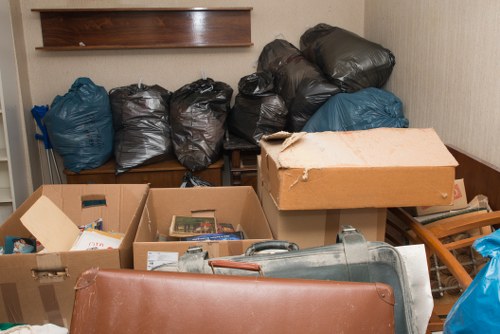 Operational practices prioritise reuse: when a sofa is suitable, we arrange collection under our sofa clearance and redispatch it to charity partners or refurbishers. If an item is not viable for whole reuse, it is stripped and materials are routed to the correct recyclers. The logic is simple: reuse first, then recycle what remains. To enable this we keep a network of transfer stations and licensed waste carriers that specialise in furniture processing, ensuring compliance with local authority regulations and the boroughs??? separation guidelines.
 In conclusion, our sustainability strategy for sofa removal and sofa recycling focuses on measurable targets, local partnerships and low-carbon logistics. We are committed to meeting our 90% recovery goal while supporting community charities, reducing transport emissions with electric and hybrid vans, and aligning with borough-level waste separation practices. Together with councils, transfer stations and social enterprises, we are turning bulky furniture collection from an environmental problem into an opportunity for resource recovery, local jobs and a healthier urban environment.