Sofa Removals in London

Our sofa removals in London are arranged for households and businesses that need a straightforward way to move unwanted, heavy or awkward seating. We collect single sofas, corner units, sofa beds, armchairs and other upholstered pieces, then transport them for reuse, recycling or disposal where appropriate. The service is designed to keep the process practical: clear communication, suitable lifting, and an approach that suits flats, houses, offices and managed buildings.
If you are replacing furniture, clearing a room or dealing with an item that is simply too bulky to handle alone, we can help with sofa collection and related furniture removal work. Our team can deal with access constraints such as stairs, lifts, hallways and tight entrances, so the job is planned around the item itself as well as the property. Plain, careful removal is often the easiest option when a sofa has reached the end of its useful life.
For a quote, send the sofa type, rough size and your London area, and we will respond with the most suitable option. If you have several items to clear at once, that can usually be priced as part of the same visit. A short description is often enough to begin, and it helps us suggest the right removal approach without unnecessary back-and-forth.
What we remove and how the service is used
We handle a wide range of upholstered furniture, including three-seaters, two-seaters, recliners, sofa beds and modular sections. Many customers use the service when a sofa has become difficult to move during decorating, moving home or replacing older furniture. We also remove items from offices, letting properties and communal spaces where bulky seating needs to be cleared without disrupting the rest of the room.
Some sofas are straightforward to carry, while others need more care because of weight, size or awkward framing. That is why the service focuses on safe removal rather than rushing the task. We can also arrange linked items such as chairs or footstools when they are being cleared together. Good preparation is mainly about knowing what is being taken, where it is located and how it can be accessed.
When you are ready to enquire, it helps to know whether the sofa is intact, dismantled or part of a wider furniture clearance. Keep the description simple and accurate. If access is limited or the item needs to come from an upper floor, say so clearly. Short, useful details make it easier to provide a practical quotation and avoid guessing.
Furniture clearance and bulky item collection

Although the main focus is sofa removals, many jobs include other bulky items that need to leave the property at the same time. That can include tables, cabinets, mattresses, beds, shelving and general household furniture. Where the extra items are ready to go, combining them into one clearance can make the visit more efficient and keep the work joined up rather than arranged in separate parts.
Our furniture clearance work is useful for rooms being emptied before redecoration, tenancy changes or home reorganisation. It can also help when a single sofa is only one part of a larger pile of items that no longer need to stay. We aim to keep the process orderly, with the emphasis on lifting, loading and leaving the space ready for its next use.
Common items accepted through this service include:
- fabric and leather sofas
- sofa beds and sectional units
- armchairs and recliners
- tables, chairs and occasional furniture
- mixed bulky items cleared together
Access, lifting and property types
London properties can present different access arrangements, and sofa removals need to be adapted to that reality. A flat with narrow stairs is very different from a ground-floor house or a managed office building. We plan around the route from the room to the vehicle, taking into account lifts, corridors, shared entrances and any need to protect walls or door frames during removal.
In some cases a sofa can be carried out whole; in others, the item may need to be moved in sections or manoeuvred carefully through tight points. We do not assume every property is simple, and that matters because safe handling reduces the risk of damage. If the sofa is unusually large or the route is restricted, that information helps us assess the work accurately before the collection is arranged.
Useful details for access planning include whether the property is upstairs, whether parking is close by and whether there are any building rules about collections. These are practical points rather than formal requirements, but they can make the difference between an easy visit and one that needs extra handling. Clear access information is especially valuable where the sofa has to be taken down several floors.
Disposal, reuse and recycling options
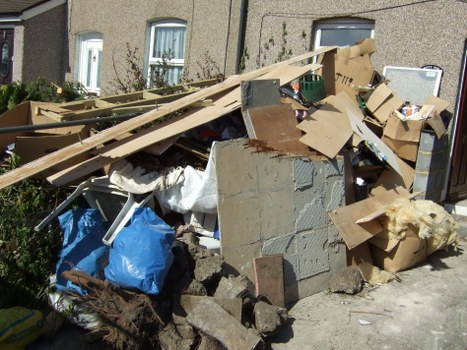
Not every sofa follows the same route once it has been collected. Some items may be suitable for reuse, while others are better directed toward recycling or disposal. The condition of the frame, upholstery, cushions and any non-fabric components all affect the next step. Our aim is to keep the process sensible and responsible, rather than treating every item as identical.
Where a sofa is still usable, it may be possible to divert it from disposal. If it is damaged, stained, damp or no longer fit for use, different handling may be more appropriate. This is one reason the service includes a practical assessment of the item rather than a simple one-size-fits-all promise. Condition matters, especially for upholstered furniture.
We can also advise on related items such as mattresses, beds and white goods if they are being cleared alongside a sofa. That is helpful when a room is being stripped back and the customer wants one joined-up removal rather than several separate arrangements. The result is usually a cleaner, simpler clearance plan and fewer moving parts for the customer to manage.
Pricing factors and quotation details
Sofa removal prices are usually shaped by practical factors: the size and type of sofa, the number of items, access conditions and the amount of handling needed. A compact two-seater on the ground floor is a very different job from a large corner sofa on an upper floor with limited parking. The more accurately these details are shared, the more useful the quotation can be.
It also helps to say whether the sofa is ready at the entrance or still in a room that requires carrying through the property. If there are stairs, long corridors or a lift that cannot take the item in one piece, mention that too. We do not rely on vague descriptions when a clear one will do. Specific information makes quotations more reliable and keeps the booking process straightforward.
When requesting a price, you can keep the message brief:
- state what needs removing
- say where in London the collection is needed
- describe any access issues
- add any extra bulky items if relevant
Related clearance work for homes and businesses
Some customers only need a single sofa removed, while others are dealing with several rooms or an entire property. In those cases we can look at broader clearance work that sits around the same job, such as home clearance, house clearance, flat clearance and office clearance. These services are useful when furniture, soft furnishings and mixed bulky items need to be removed together rather than item by item.
Our other removal pages cover practical categories such as furniture removal and bulky waste collection, which can be helpful if your enquiry extends beyond a sofa alone. Where the work includes waste that should not be treated as furniture, the most suitable option may be a broader clearance route. That way the collection is matched to the material being removed.
If you are comparing options, think in terms of the item type, volume and access rather than using a general label for everything. A sofa by itself is usually a simple collection; a room full of mixed items may need a larger clearance plan. That distinction helps keep the quote useful and the visit properly organised from the outset.
About London
London is a large and historically layered city in south-east England, formed by a patchwork of long-established districts, newer developments and former village centres that have been absorbed into the capital’s growth. The River Thames remains one of its defining geographical features, curving through the city and linking areas with very different characters, from Westminster and the City to the docklands and outer boroughs. Its urban fabric includes Roman and medieval traces, Georgian terraces, Victorian streets, interwar housing and contemporary tower schemes, all set within a transport network shaped by railways, Underground lines, buses and river crossings. Museums, galleries and theatres give the city a strong cultural profile, while parks such as Hyde Park, Regent’s Park and Hampstead Heath provide major open spaces within the built environment. Many neighbourhoods retain distinct high streets, markets and local landmarks, and former industrial areas continue to be redeveloped for homes, offices and public use. London’s scale means that movement across the city can be varied and sometimes complex, but it also gives residents access to a wide range of services, institutions and civic spaces. From the ceremonial core around Whitehall and the river to residential districts in the west, north, east and south, the city combines history and constant change in a way that is visible in streets, buildings and everyday public life.
How to arrange a sofa collection

Arranging a sofa collection is usually straightforward once the important details are in place. Start with the item itself, then add the London area and any access points that may affect the move. If you are clearing more than one item, list them together so the quotation reflects the actual scope. That is often enough to move from a general enquiry to a practical collection plan.
It can also help to note whether the sofa is near the front door, upstairs, in a basement or inside a shared building. We use that kind of information to shape the job properly, especially where there are stairs or narrow turns. The aim is to make the removal orderly and avoid unnecessary complication. Simple, accurate information is often better than a long description.
Once the collection has been discussed, the remaining step is usually to confirm the details and choose a suitable time for removal. Keeping the arrangement clear means fewer surprises on the day and a more efficient visit overall. If the sofa is part of a larger clear-out, it is worth mentioning that from the start rather than adding it later.
When sofa removal needs extra care
Some sofas are awkward not because they are large, but because they are heavy, fragile or difficult to grip. Leather models can scuff, reclining mechanisms can add weight and sofa beds often contain metal parts that change how they need to be handled. We treat these details as part of the job, not as minor extras, because the shape and construction of the item affect the removal approach.
There are also practical limits that can affect how a collection is carried out. A very restricted stairwell, a tight corner or a narrow lift opening may change the route or require more careful handling. If the sofa has been left in pieces after disassembly, that may make the move simpler, but it still needs to be described accurately so the quote matches the work. This is where precise wording matters more than broad assumptions.
For customers, the best approach is to describe what the sofa is made of, whether it folds or separates and where it is currently positioned. That lets the service be matched to the item’s actual condition. If you are unsure how to explain it, a brief note is enough: the key point is to give a truthful picture rather than a polished one.
Request a quote for sofa removals

If you need sofa removals in London, the easiest next step is to request a quotation with the item details and the collection area. We can then work from the information you provide and suggest the most suitable removal option for your sofa, any supporting furniture and the access conditions at the property. The service is built around practical collection work, not unnecessary complication.
For a useful quote, include the sofa type, the number of pieces and whether anything else is being cleared at the same time. If you are in a flat, office or managed building, mention the access route as well. That helps keep the arrangement accurate from the beginning and ensures the collection is assessed on realistic terms rather than broad estimates.
Send your details and ask for a quote today. If you want to combine sofa collection with other furniture or bulky item removal, that can be discussed in the same enquiry. The more clearly the job is described, the easier it is to give you a practical response and arrange the right removal service.