Hazardous Waste Rules for Homes: Legal Steps to Follow
If you have old paint tins under the sink, a dead fridge in the garage, or half-used garden chemicals sitting in a shed that smells faintly of rust and damp, you are not alone. Most homes have at least one item that does not belong in the regular bin, and that is where the hazardous waste rules for homes: legal steps to follow really matter. The aim is simple: protect people, protect the environment, and keep you on the right side of local disposal rules without turning the whole thing into a bureaucratic headache.
This guide breaks the process down in plain English. You will learn what counts as hazardous household waste, how the legal steps work, what councils and licensed carriers expect, and how to avoid the kind of mistakes that can lead to fines, spills, or a very awkward trip to the local tip. Truth be told, most people do the right thing once they know what the right thing actually is.
Table of Contents
- Why the rules matter
- How the process works
- Key benefits and practical advantages
- Who this is for
- Step-by-step guidance
- Expert tips for smoother disposal
- Common mistakes to avoid
- Tools, resources and recommendations
- Law, compliance, standards and best practice
- Options and comparison table
- Case study example
- Practical checklist
- Conclusion
- Frequently asked questions
Why Hazardous Waste Rules for Homes: Legal Steps to Follow Matters
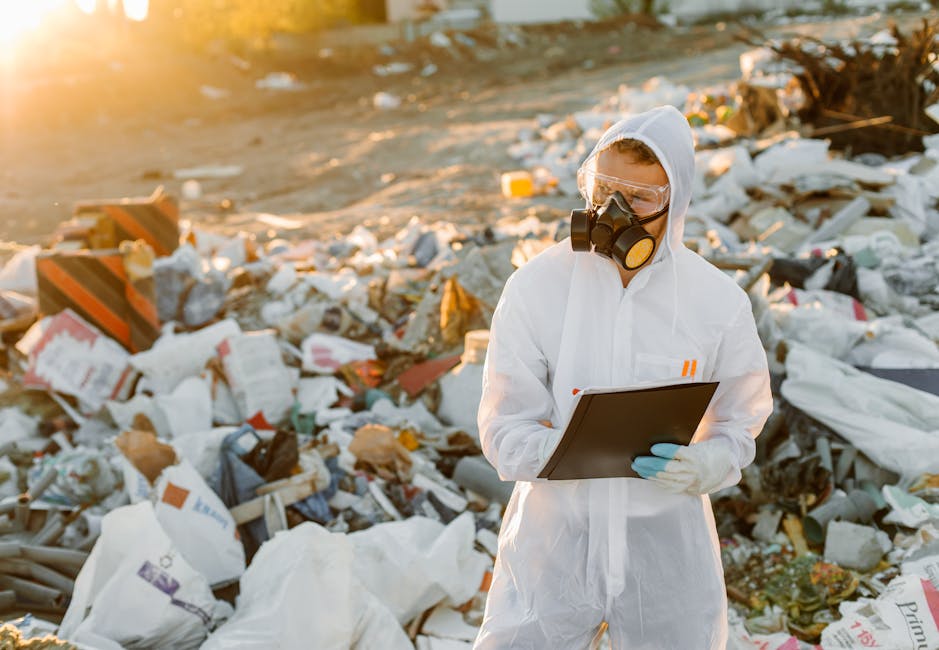
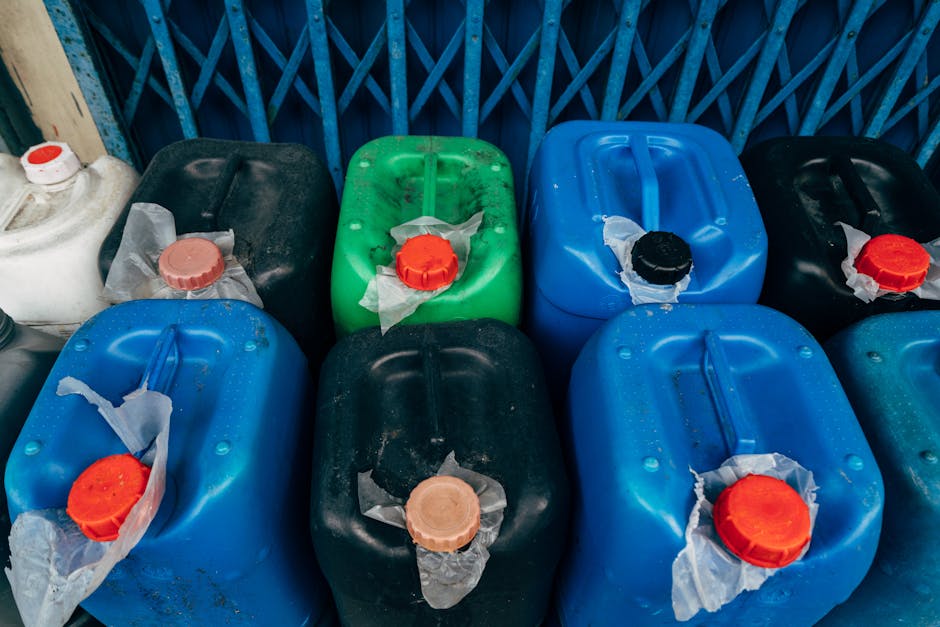
Household hazardous waste is not just an "extra awkward bin bag". It can include items that are flammable, corrosive, toxic, pressurised, or electrically hazardous. Common examples include solvents, paint, aerosols, batteries, fridges, fluorescent tubes, pesticides, engine oil, certain cleaning chemicals, and some DIY residues. Put the wrong thing in the wrong container and you can create risks for collection crews, recycling staff, your neighbours, and even yourself.
Why does the legal side matter so much? Because disposal rules are not based on guesswork. They are tied to environmental protection, waste duty of care, transport safety, and local authority collection policies. In the UK, householders generally need to dispose of waste correctly, and they should never hand it to someone who is not allowed to carry or manage it. That sounds obvious, but people do get caught out, especially when they are clearing a spare room in a hurry or doing a big weekend tidy-up.
There is also the nuisance factor. A leaking paint can in a car boot smells bad, makes a mess, and can damage upholstery. A cracked bottle of drain cleaner is worse. You do not want that story, honestly.
For many homes, the problem starts with uncertainty. Is this item hazardous or just awkward? Can it go to the council site? Do I need a special collection? The answer depends on the material, its condition, and what local service will accept. The good news is that once you understand the logic, the process becomes manageable.
How Hazardous Waste Rules for Homes: Legal Steps to Follow Works
The process usually follows a simple chain: identify the item, check whether it is hazardous, separate and package it safely, then use the correct disposal route. That is the plain version. The slightly more formal version is this: waste must be classified, stored safely, transferred to an authorised collector or facility, and handled in a way that prevents harm or pollution.
For homes, the main difference is that you are not operating as a business, but you still need to act responsibly. You may not need the same paperwork as a commercial site, yet the duty to dispose correctly still applies. Councils often have their own rules for household hazardous items, and many services accept only certain products or quantities. One local authority may take batteries and small electricals at a recycling centre, while another may require a booked appointment for paint or chemicals. There is no one-size-fits-all arrangement, which is annoying, but that is the reality.
A licensed waste carrier or clearance company can help where the load is too big, too awkward, or too risky to move yourself. If you are arranging a home clearance, loft clearance, garage clearance, or bulky waste collection, ask specifically how they handle hazardous items. A proper operator should be able to explain what they can take, what they cannot, and how they separate restricted waste streams. If they wave it away with "yeah, no problem" and nothing else, be cautious.
One useful rule of thumb: if an item can leak, burn, react, or contaminate other waste, treat it as potentially hazardous until confirmed otherwise.
Key Benefits and Practical Advantages
Following the right disposal steps is not just about avoiding trouble. There are real everyday benefits, and some are easy to miss.
- Safer home clear-outs: You reduce the risk of chemical spills, cuts, fumes, and fire hazards.
- Better compliance: You are less likely to breach local disposal rules or hand waste to the wrong person.
- Cleaner recycling: Hazardous items kept separate are less likely to contaminate reusable materials.
- Less stress: A clear plan saves the "what on earth do I do with this?" moment halfway through a declutter.
- Improved efficiency: Sorting properly at the start usually saves time later. Always does, in my experience.
There is also a practical money angle. If hazardous waste contaminates a load, disposal can become more complicated and expensive. A simple sort at home can prevent a bigger problem later. Let's face it, nobody wants to pay extra because one half-empty tin of varnish was left mixed in with old cardboard.
Another benefit is peace of mind. If you are clearing out after a move, a bereavement, or a long-overdue garage clear-out, knowing you are doing the legal thing can take a surprising amount off your shoulders.
Who This Is For and When It Makes Sense
This guide is for anyone dealing with household items that cannot just be tossed into a normal bin. That includes homeowners, tenants, landlords, letting agents, family members handling an estate, and anyone who has found themselves staring at a shelf of mystery bottles in a utility room.
It is especially relevant if you are:
- clearing a house before or after a move
- tidying a loft, basement, shed, or garage
- disposing of old paint, varnish, thinners, or adhesives
- getting rid of fridges, freezers, or other white goods
- dealing with batteries, bulbs, or electricals
- sorting garden chemicals, fuels, or cleaning products
- trying to decide between a council collection and a private removal service
It also makes sense if you live in a flat, where storage space is limited and hazardous items can build up quietly in cupboards. A tiny under-sink cabinet can somehow become a mini chemical warehouse. It happens.
And if you are in a busy part of London, timing matters too. Some councils require advance booking, and some buildings have access limits, parking restrictions, or concierge rules. In those cases, choosing the right collection method becomes part legal step, part logistical sanity check.
Step-by-Step Guidance
1. Identify the item
Start by reading the label, checking the container, and noting whether the product is flammable, corrosive, toxic, or pressurised. If the label is missing, damaged, or unreadable, treat the item cautiously. Old containers can be deceptive. A dusty tin in the shed might still contain active chemicals.
2. Separate hazardous waste from general rubbish
Do not mix it in with normal household waste, recycling, or food waste. Keep batteries separate from paper. Keep liquids away from absorbent materials. Keep sharp objects wrapped safely. This is one of the simplest legal steps, but it is the one people most often skip because they are in a rush.
3. Keep original containers where possible
If the original packaging is intact, keep the item in it. That makes identification easier and reduces the chance of accidental reactions. Never decant unknown chemicals into random bottles, especially drink containers. That sounds obvious, but life is full of obvious mistakes made at 8.30 on a Saturday morning.
4. Store items safely until collection
Place them somewhere cool, dry, and out of reach of children and pets. Keep lids secure, avoid stacking unstable containers, and never leave leaking items in a hot car boot. If a product gives off fumes or has a damaged container, move it only if it is safe to do so.
5. Check your disposal route
Depending on the item, you may use a council recycling centre, a booked council collection, a retailer take-back scheme, or a licensed private waste removal service. For larger clearances, many households use a full waste disposal or waste removal service that can separate general rubbish from restricted materials. If you are also clearing furniture, white goods, or bulky items, services such as house clearance, garage clearance, or bulky waste collection may be relevant, depending on what is included and what must be excluded.
6. Confirm acceptance before collection
Do not assume every service will accept every hazardous item. Ask what they take, how they want items packaged, and whether a separate arrangement is needed for chemicals or electricals. A quick check now beats an awkward refusal at the kerbside later.
7. Keep a record when appropriate
For a household, a simple note of what you disposed of and who collected it can be useful, especially if you are handling a larger clear-out or property transition. It is not overkill. It is just sensible.
Expert Tips for Better Results
Small habits make a big difference here. In practice, the cleanest hazardous waste jobs are the ones where the sorting begins before the collection day, not during it.
- Make a "do not mix" box: Put batteries, aerosols, bulbs, and chemical containers in separate sections or bags.
- Use a torch in sheds and lofts: You will spot leaks, rust, and unlabeled containers more quickly in poor light.
- Keep absorbent material handy: For safe handling of small leaks, a little sand or a suitable absorbent can be useful, but only if you know the product is safe to move.
- Plan the route first: If you need to transport items yourself, think through where they will sit in the vehicle and how they will be secured.
- Ask about recycling, not just removal: Some items can be recovered or processed separately, which is better for the environment and often cleaner overall.
One practical tip that saves time: do a quick room-by-room sweep before collection day. Kitchen, utility room, shed, garage, under the sink, bathroom cabinet. You will be surprised what turns up. I once watched a tidy-up turn into three bags of old household chemicals and a very confused rake. Not glamorous, but useful.
Also, if you are dealing with multiple waste types, bundle like with like. It makes load assessment easier and helps the collector keep restricted materials separate from furniture or general clutter.
Common Mistakes to Avoid
People usually get into trouble in the same few ways. The good news is that they are all avoidable.
- Mixing hazardous waste with normal rubbish. This is the big one. It can contaminate the whole load.
- Pouring liquids down sinks or drains. Unless a product is explicitly approved for that route, avoid it.
- Removing labels from containers. If anything, labels should stay on until disposal.
- Assuming "small amount" means "safe to ignore." A small amount of the wrong product can still be risky.
- Using an unlicensed or unclear collector. If the carrier cannot explain their process, that is a warning sign.
- Overfilling bags or boxes. Heavy, unstable containers are harder to move and more likely to split.
Another mistake is leaving disposal until the last minute. Then the items get crammed together, nothing is labelled properly, and everyone is in a mood. A bit dramatic, yes, but you know the scene. Better to sort early and keep it calm.
Tools, Resources and Recommendations
You do not need specialist equipment for every household job, but a few simple tools help a lot.
- Sturdy gloves: Useful for handling dusty or rough containers.
- Sealable tubs or boxes: Good for keeping small items grouped safely.
- Marker pen and labels: Helpful if you are sorting multiple waste types.
- Torches and head torches: Handy in lofts, garages, and sheds.
- Dust sheets or old towels: Useful for protecting floors during sorting.
- Checklists: Prevents forgotten items, especially in larger homes or flats.
For people who prefer a managed route, a licensed removal company can be the simplest option, particularly if the job includes furniture, mattresses, white goods, or accumulated general clutter alongside restricted items. Services such as rubbish removal, rubbish clearance, and waste clearance can be useful for the non-hazardous parts of a job, while the hazardous fraction is handled separately according to the provider's policy.
If you are comparing options, look closely at what is included, what is excluded, and whether the team is set up to deal with restricted items. A cheap quote is not much use if it does not cover the stuff you actually need gone.
Law, Compliance, Standards, or Best Practice
For householders, the legal expectations are usually simpler than for businesses, but they are still real. The core principle is that waste should be stored, sorted, and passed on safely to an authorised route. You should not give waste to someone who is not properly equipped or permitted to handle it, and you should not knowingly dispose of hazardous material in a way that could harm people or the environment.
Best practice in the UK typically means:
- separating hazardous items from general household waste
- using approved council or licensed collection routes
- keeping chemicals in their original containers where possible
- preventing leaks, spills, and cross-contamination
- asking a collector how restricted items are handled before handing them over
If you live in an area with specific local rules, council guidance may be more detailed than general household advice. London boroughs can vary quite a bit in what they accept and how they book collections. A homeowner in Westminster may find the process a little different from someone in Croydon or Wandsworth, and that is normal rather than alarming. The trick is to check locally before the items pile up.
For businesses or mixed-use properties, the standard becomes stricter. If you are dealing with office waste, shop waste, or managing a property that stores household and commercial materials together, separate handling is even more important. In those cases, a service like business waste removal may be more appropriate for the non-household side, but hazardous items still need careful classification.
Options, Methods, or Comparison Table
There is more than one sensible way to deal with hazardous household waste. The right choice depends on quantity, convenience, urgency, and how risky the items are to move.
| Method | Best for | Pros | Limitations |
|---|---|---|---|
| Council recycling centre or booked collection | Small quantities, common household items | Often low cost or included in local service; suitable for routine disposal | Acceptance rules vary; booking and transport may be needed |
| Retail take-back or return route | Specific items such as batteries or certain electricals | Convenient for targeted items; familiar process | Only works for eligible products and quantities |
| Licensed private waste removal | Mixed clear-outs, bulky jobs, time-sensitive removals | Flexible; can handle multiple waste streams in one visit | Costs more than council-led options; hazardous items may need separate treatment |
| DIY transport to facility | Very small, well-contained quantities | Good when you know the rules and have a suitable vehicle | Higher risk if items leak, tip, or are not accepted on arrival |
In simple terms: if you have one or two small items, the council route may be enough. If you are clearing a garage full of mixed clutter after years of "I'll deal with it later", a private clearance may be the saner choice. Sometimes the practical answer is the best one.
Case Study or Real-World Example
Imagine a family clearing a semi-detached house in south-west London after a long tenancy. The loft holds old paint, a broken lamp, a box of batteries, two aerosols, and an ancient fridge in the garage that has not worked in years. The kitchen has a few half-used cleaning products under the sink. Nothing dramatic on its own, but enough to create confusion.
At first, they think everything can go with the general house clearance. Then they check the labels and realise that several items need separate handling. The paint tins are still sealed but dented. The aerosols are intact. The fridge needs white goods disposal, and the batteries need their own container. A bit of sorting later, they separate the loads, arrange the correct removal route, and avoid mixing hazardous items into the bulk clearance.
The useful lesson? It was not a huge or expensive crisis. It was a sorting problem. Once the family stopped treating all unwanted items as the same thing, the job became simpler. Cleaner too. And less smelly, which, frankly, counts for a lot in a loft on a warm afternoon.
That kind of example comes up often in real clear-outs. People do not usually struggle because the rules are impossible. They struggle because the waste is spread across the home in small pieces. The fix is to collect those pieces before they become a headache.
Practical Checklist
Use this before you book a collection or head to a disposal point.
- Have I identified every hazardous item in the home?
- Are the containers sealed and clearly labelled?
- Have I separated hazardous waste from general rubbish and recycling?
- Do I know which items the council, facility, or collector will accept?
- Have I checked whether anything must stay in its original packaging?
- Are leaking, broken, or pressurised items being handled safely?
- Have I planned where the items will be stored until collection?
- Do I know whether a licensed private service is needed for part or all of the job?
- Have I kept children and pets away from the storage area?
- Have I asked about any paperwork, booking, or access requirements?
If you can tick those off, you are in a strong position. No drama, no last-minute scramble, just a sensible and legal route to disposal.
Conclusion
Hazardous waste rules for homes are not meant to make life harder. They are there because certain items are too risky to mix with ordinary rubbish. Once you know how to identify, separate, store, and dispose of them correctly, the whole thing becomes far less intimidating. Most of the legal steps are common sense with a few guardrails: keep items contained, use approved routes, and do not guess when a product looks questionable.
Whether you are handling a single tin of paint or a full room clear-out, the safest path is the one that matches the waste type, the quantity, and your local rules. A little care at the start usually saves time, money, and stress later on. And that, in real life, is what good compliance looks like - calm, tidy, and unglamorous.
If you are planning a home clearance, comparing disposal options, or need help separating awkward items from general household waste, take a moment to map it out properly before you start. It makes all the difference.
Get a free quote today and see how much you can save.
Frequently Asked Questions
What counts as hazardous waste in a home?
Typical household hazardous waste includes paint, solvents, aerosols, batteries, pesticides, some cleaning chemicals, fridges, fluorescent tubes, and other items that are flammable, toxic, corrosive, or pressurised. If a product can leak, react, or cause harm, treat it carefully until you know the correct route.
Can I put hazardous household waste in my normal bin?
Usually, no. Mixing hazardous waste with general rubbish can create safety risks and may breach local disposal rules. Even small quantities can contaminate a larger load, which is why separate handling is the safer choice.
Do I need to take household hazardous waste to a special facility?
Often, yes, or you may use a booked council collection or a licensed private service. The right option depends on the item, the quantity, and what your local council accepts. Some items can also go through retailer take-back routes.
Are councils allowed to refuse certain household items?
Yes. Acceptance varies by council and by site. Some services accept common items like batteries or small electricals, while others restrict paint, chemicals, or large appliances. Always check first, because assuming can waste a trip.
What should I do if a chemical container is leaking?
Do not pour it away or mix it with other waste. Keep people and pets away, avoid handling it more than necessary, and follow local guidance or speak to a suitable collector. If it is unsafe to move, treat it with extra caution.
Can I transport hazardous waste in my car?
For very small, sealed, and stable items, some people do transport household waste themselves, but only if it is safe and accepted by the destination facility. Use proper containment, keep the load secure, and never move unstable or badly damaged containers unless you are certain it is safe.
Do I need a licensed waste carrier for a home clearance?
If a private company is removing your waste, they should be properly licensed or authorised for the waste they carry. That matters even for domestic jobs. Ask clear questions about hazardous items, because not every removal service handles them in the same way.
What is the safest way to store hazardous waste before collection?
Keep it in its original container where possible, closed tightly, upright, and away from heat, children, and pets. A cool, dry storage spot such as a secure shed or utility area is usually better than a warm kitchen cupboard packed next to food.
Are fridges and freezers considered hazardous waste?
They are not always classified in the same way as chemicals, but they do require special handling because of refrigerants and electrical components. In practice, they usually need separate collection or disposal through an approved route such as white goods recycling or a specialist removal service.
What happens if hazardous waste is mixed with other rubbish?
It can contaminate the entire load, create safety risks, and make disposal more difficult. In some cases, it can also lead to rejected collections or extra charges. Separating waste at the start is much easier than fixing a mixed load later.
How can I tell if a waste removal company is suitable?
Ask whether they are licensed, what types of waste they can take, how they handle hazardous items, and whether they provide a clear breakdown of excluded materials. A reliable company will answer plainly. If the reply is vague, that is usually telling you something.
Is it cheaper to use the council or a private removal service?
It depends on the item and the scale of the job. Council routes can be cheaper for smaller, standard household items, while private services are often more practical for mixed clear-outs or tight timelines. The cheapest option is not always the best one if it creates extra trips or risk.
What is the biggest mistake people make with household hazardous waste?
The biggest mistake is mixing it with everything else and hoping someone else will sort it later. That rarely works out well. Separate early, ask questions, and choose the right disposal route. That simple habit avoids a lot of mess.