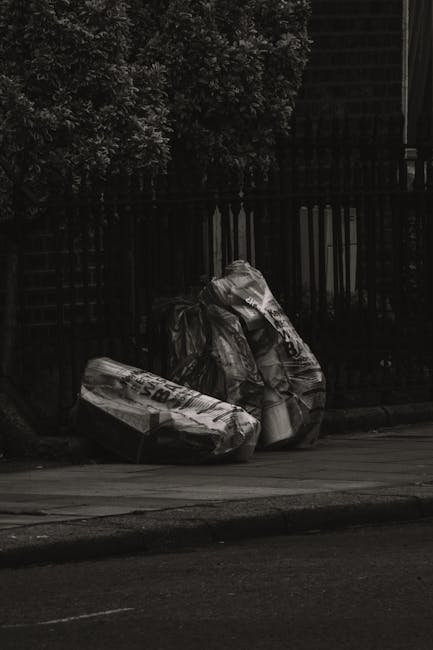
Emergency Clearances: Steps for Same-Day Rubbish Pickup
When rubbish suddenly piles up, the clock starts ticking. A broken sofa in the hallway, builder's waste after a rushed repair, or a tenancy that needs to be handed back by 5pm - these are the moments when Emergency Clearances: Steps for Same-Day Rubbish Pickup becomes less of a convenience and more of a lifeline. Truth be told, most people don't plan for these situations. They just need the mess gone, safely, and without adding another problem on top.
This guide walks you through what same-day rubbish pickup actually involves, how to prepare for it, what it can and can't solve, and how to avoid the small mistakes that slow everything down. You'll also find practical tips, a checklist, a comparison table, and answers to the questions people usually ask at the last minute - often while standing in front of a pile of stuff they wish had never existed in the first place.
Table of Contents
- Why emergency clearances matter
- How same-day rubbish pickup works
- Key benefits and practical advantages
- Who this service is for
- Step-by-step guidance
- Expert tips for better results
- Common mistakes to avoid
- Tools, resources and recommendations
- Law, compliance and best practice
- Options and comparison table
- Case study example
- Practical checklist
- Conclusion
- Frequently asked questions
Why Emergency Clearances: Steps for Same-Day Rubbish Pickup Matters
Emergency rubbish removal matters because waste has a habit of turning a small inconvenience into a bigger issue very quickly. A blocked entrance can delay tradespeople. Bags left outside can attract complaints. Wet waste can start smelling by lunchtime, especially in warmer weather. And if you're dealing with a move-out, a shop refit, or post-incident debris, every hour counts.
Same-day rubbish pickup is designed for speed, but speed on its own is not the whole point. The real value is restoring control. That might mean making a property safe, clearing access for an inspection, or getting a room back to usable condition before the day ends. In our experience, that relief is often the biggest thing customers are buying.
There's also a practical side. Quick clearance can reduce the risk of trip hazards, pest issues, or damage spreading from one area to another. For businesses, it can help keep operations moving. For landlords and agents, it can reduce friction between tenancies. For households, it can simply make the place feel liveable again. Sounds simple. Sometimes it is. Sometimes it really isn't.
If you want to understand the broader service landscape, it can help to look at a dedicated waste clearance service alongside options for waste disposal and responsible onward handling.
How Emergency Clearances: Steps for Same-Day Rubbish Pickup Works
Same-day clearance is usually a fast, structured process rather than a rushed scramble. Good operators will ask the right questions up front, confirm access, estimate the load, and then send a team with the right vehicle and equipment. That last part matters more than people realise. A van that is too small, or a crew that arrives without the right lifting gear, can turn an urgent job into a drawn-out one.
Typically, the process starts with an enquiry. You describe what needs removing, where it is, and how quickly you need it gone. Then a price is confirmed or, in some cases, refined once the team sees the load in person. The crew arrives, assesses access, removes the waste, and sorts it for reuse, recycling, or disposal depending on the material and condition.
Most same-day jobs work best when the customer is ready to answer a few practical questions: How much waste is there? Is it inside or outside? Are there stairs, parking restrictions, or narrow access? Are any items unusually heavy or sharp? These details matter because they affect how long the job takes and what kind of team is needed.
For peace of mind, check the company's health and safety approach and insurance and safety information before booking. A serious clearance provider should be clear about both.
A quick note on "same-day"
Same-day doesn't always mean "within an hour." Sometimes it does, if the schedule and location line up. Other times it means later that afternoon. The honest answer is that timing depends on how urgent the job is, how much waste there is, and where the team is already working. A realistic expectation is better than a vague promise. Always.
Key Benefits and Practical Advantages
There are plenty of reasons people choose same-day rubbish pickup, but the main benefits usually fall into a few clear categories.
- Speed: The obvious one. Waste is removed quickly, which helps when deadlines are tight.
- Safety: Clear floors, entrances, and pathways reduce the chance of trips, cuts, or blocked exits.
- Stress reduction: A fast response can take a lot of pressure off a difficult day. You can almost feel the room breathe again.
- Flexibility: Good teams can often handle mixed loads, awkward access, or last-minute changes.
- Professional handling: Items are loaded, transported, and processed with more care than a hurried DIY run to the tip.
- Better compliance: Using a proper waste carrier reduces the risk of improper disposal.
There's another advantage that gets overlooked: momentum. Once the mess is removed, everything else becomes easier. Cleaning is easier. Repairs are easier. Viewings are easier. Even taking photos for insurance or tenancy records becomes less painful. If you've ever stood in a cleared room and thought, "Right, now we can actually deal with this," you'll know exactly what I mean.
If sustainability is part of your decision, it may be worth reviewing a provider's recycling and sustainability information so you know what happens after collection.
Who This Is For and When It Makes Sense
Emergency clearances are not just for dramatic situations. They're for very ordinary problems with a very urgent deadline.
It makes sense if you are:
- moving out and need a property cleared before check-out
- dealing with furniture, bagged waste, or mixed junk that cannot wait
- managing a landlord, letting, or estate agent deadline
- running a business that needs stockroom, office, or shop waste cleared fast
- handling builder's rubble, old fixtures, or refurbishment debris
- responding to an unexpected event such as a leak, fire-related debris, or storm damage
- trying to make a home safer for children, older relatives, or visitors
It may also be the right choice if you simply don't have the time, transport, or physical capacity to deal with heavy waste yourself. To be fair, not everyone does. Not everyone should.
If you're comparing providers or need to check how a service fits your area, local pages such as Watford rubbish clearance, Woking clearance services, or Central London waste removal can help you see what is available nearby.
Step-by-Step Guidance
If you want the fastest possible outcome, the booking process needs a little structure. Here's the practical version.
1. Identify the waste clearly
Walk through the space and separate the problem into sensible groups: furniture, bagged rubbish, construction debris, broken appliances, green waste, or mixed items. If you can describe the load clearly, you'll usually get a more accurate response. A single photo is often worth a lot here, especially if the pile looks bigger in real life than it did in your head.
2. Check access and timing
Think about doors, stairways, parking, lift access, and any restrictions on the street. A basement with a tight turn is a very different job from a front garden pile. Also note any time limits. If a tenancy handover or trade appointment is scheduled, tell the company the exact window. Emergency work often succeeds or fails on these small details.
3. Ask for a same-day estimate
Ask for a quote that reflects the volume, the type of waste, and any access issues. If the price is described as "starting from" a figure, make sure you understand what could change it. The best providers will explain it plainly. If you need a more detailed idea of pricing logic, the page on pricing and quotes is a useful place to start.
4. Remove anything you want to keep
This sounds obvious, but panic makes people overlook things. Check drawers, behind furniture, under bags, and in loft or cupboard corners. A quick five-minute sweep can save a lot of regret later. Once the team starts loading, things move fast.
5. Make the path safe and clear
Move pets, unlock gates, clear a walkway, and make sure the crew can reach the waste without squeezing past fragile items. If there are sharp objects, broken glass, or damp materials, mention them before the team arrives. It's not being fussy. It's being helpful.
6. Confirm what will happen to the waste
Ask whether the waste will be reused, recycled, or taken to a licensed facility. Good operators should be able to explain their process without sounding evasive. That's a decent trust check in itself. If you're weighing disposal options, take a look at the provider's waste disposal service page as well.
7. Keep proof of booking and payment
Save the confirmation, invoice, and any notes about what was agreed. This helps if the job changes slightly on arrival or if you need a record for a landlord, insurer, or office manager. A small paper trail can save a headache later.
8. Check the site after clearance
Once the waste is gone, walk the area with the team if possible. Make sure the agreed items were removed and the route is tidy. If something looks off, say so straight away. It's much easier to resolve then than after everyone has driven away.
Expert Tips for Better Results
Here are the habits that tend to make emergency clearances smoother, cheaper, and less stressful.
- Send photos from different angles. One photo can hide access issues or understate the volume.
- Be exact about the location. "Outside the back gate" is better than "somewhere round the back."
- Say what type of waste it is. Mattresses, plasterboard, electrical items, and general mixed rubbish are not all treated the same way.
- Prepare for the crew's arrival. If the team can get in quickly, the job usually runs more smoothly.
- Ask how they handle recycling. A good company will have a clear sorting process.
- Keep the emergency scope tight. Focus on what truly needs removing today. You can always book the rest later.
A small but useful tip: if you're clearing a room under pressure, work from the access point outward. That way, you don't trap the team behind a pile of items that still need shifting. Simple, but it saves time.
And yes, sometimes the thing that slows everything down is a forgotten side return gate or a car parked where the van needs to stop. Life has a sense of humour, apparently.
Common Mistakes to Avoid
Most problems with same-day rubbish pickup come from unclear expectations, poor preparation, or underestimating the job. The good news is that these are usually avoidable.
- Waiting too long to enquire. If you need same-day help, ask as early as possible.
- Guessing the volume. A rough guess is fine, but don't pretend a full garage is "just a few bags."
- Hiding access issues. Narrow stairs, parking limits, and locked gates matter.
- Not separating keepers from waste. You'd be surprised how often this happens. Very human, but still avoidable.
- Choosing on price alone. Cheap can be fine. Cheap with no insurance, no clarity, and no proper disposal route is another story.
- Assuming all waste is handled the same way. Some items need special care or have additional handling requirements.
One more thing: if a provider seems vague about what is included, ask again. A short, direct question now is better than a difficult conversation later. No need to be awkward. Clear beats clever every time.
Tools, Resources and Recommendations
You do not need much to prepare for an emergency clearance, but a few simple tools make a big difference.
| Item or resource | Why it helps | Best use |
|---|---|---|
| Phone camera | Gives the provider a quick view of volume and access | Taking photos before booking |
| Bin bags and labels | Makes sorting faster and avoids accidental mix-ups | Separating keep, dispose, and recycle items |
| Gloves and sturdy shoes | Reduces the risk of cuts or slipping while you prepare | Light pre-clearance sorting |
| Booking confirmation | Helps keep everyone aligned on scope and timing | On the day of collection |
| Provider policies | Clarify safety, payments, complaints, and data handling | Before choosing who to book |
It's also smart to review a few supporting pages before you commit. For example, about the company can tell you a lot about the kind of service you are likely to receive, while payment and security information helps you understand how transactions are handled. If you need to get in touch quickly, use the contact page rather than relying on assumptions or third-party listings.
If you are the kind of person who likes to check the small print first, that's not overcautious. That's sensible. Especially on an urgent job.
Law, Compliance, Standards, or Best Practice
For rubbish removal in the UK, the safest approach is to use a provider that can explain how waste is collected, transported, and passed on responsibly. You do not need to become an expert in waste law to book a same-day service, but it is wise to understand a few basics.
First, the business should be clear about insurance and safe working practices. Second, it should handle waste in a way that is consistent with recognised environmental and operational standards. Third, it should be transparent about what happens if something goes wrong. A proper terms and conditions page and a fair complaints procedure are signs of a mature business, not red tape for the sake of it.
Best practice usually means:
- using suitable vehicles and safe loading methods
- keeping staff trained for lifting and site awareness
- separating reusable and recyclable materials where practical
- being honest about access, timing, and scope
- respecting property, neighbours, and shared spaces
Privacy matters too, especially when you are sending photos, addresses, or payment details. A provider should have a clear privacy policy. If you want to understand how the website itself operates, the cookie policy and accessibility statement are also useful trust markers, even if they are not directly about the clearance job.
There is also a wider ethical side to service delivery. Clear statements such as a modern slavery statement may not be the first thing on your mind when you need rubbish gone by tea time, but they do signal how seriously a company treats its responsibilities.
Options, Methods, or Comparison Table
Not every urgent clearance needs the same response. Below is a straightforward comparison of common options.
| Method | Best for | Pros | Limitations |
|---|---|---|---|
| DIY tip run | Small, light loads with time to spare | Can be cheap if you already have transport | Slow, physical, and awkward for bulky items |
| Scheduled clearance | Non-urgent household or office waste | Good for planned decluttering | Not ideal when the deadline is today |
| Same-day rubbish pickup | Urgent removals, access problems, tight turnaround | Fast, practical, less disruption | May cost more than a routine booking |
| Full waste clearance service | Larger or mixed clearances, business or property jobs | More comprehensive, often better for complex loads | May require more detailed assessment first |
If your issue is both urgent and broad in scope, a full clearance can make more sense than a narrow pickup. If you just need a pile of items removed from the front drive before evening, same-day pickup is usually the cleaner fit. Simple decision, really.
Case Study or Real-World Example
Here's a realistic example. A small flat in outer London needed to be handed back the same day after a tenant move-out. The main issue was not a full-house clearance. It was the leftover stuff: a broken chest of drawers, several black bags, two tired office chairs, and a bit of awkward packaging from a rushed furniture delivery. The hallway was narrow, the lift was shared, and the estate agent wanted the flat empty before final photos.
The best move was to send photos first, confirm access, and make a clear list of what would stay and what would go. The team arrived with the right vehicle, removed the mixed waste in one visit, and left the route tidy enough for a quick final sweep. Nothing flashy. Just careful planning, a clear brief, and no last-minute surprises.
That sort of job is common. It rarely looks dramatic from the outside, but inside the moment can feel huge. One bad delay and the whole day starts to unravel. One good clearance, and suddenly everyone can breathe again.
If you are local to the area, it can also help to look at relevant service pages for nearby coverage, such as North London waste removal, East London clearance support, or South West London rubbish removal.
Practical Checklist
Use this before the team arrives.
- Identify what needs removing today
- Separate anything you want to keep
- Take clear photos from more than one angle
- Note stairs, parking, gates, or tight access
- Tell the provider about heavy, sharp, or messy waste
- Confirm timing and contact details
- Ask how the waste will be handled or processed
- Keep pets, children, and obstacles out of the way
- Save the booking confirmation and payment details
- Do a final walk-through after collection
That's the short version. If all ten boxes are ticked, the job usually feels much less rushed.
Get a free quote today and see how much you can save.
Conclusion
Emergency clearances are about more than fast rubbish removal. They're about creating space, restoring safety, and giving you a workable next step when time is tight and patience is running low. The best same-day service is not just quick; it is clear, careful, and honest about what can be done today.
If you prepare the load properly, share access details early, and choose a provider that takes safety and disposal seriously, the whole process becomes far less stressful than people expect. Not always easy, but very manageable. And once the waste is gone, the room often feels bigger, calmer, almost new.
That little reset can make a bigger difference than you'd think.
Frequently Asked Questions
What counts as an emergency clearance?
An emergency clearance is any rubbish removal job that needs to happen quickly, usually on the same day or within a very short window. It often involves safety concerns, deadlines, or property handovers.
Can same-day rubbish pickup handle mixed waste?
Yes, in many cases it can. Mixed waste is common, but it helps to describe the load clearly so the team can bring the right vehicle and plan the removal properly.
How fast can an emergency clearance be arranged?
Sometimes within hours, sometimes later the same day. It depends on your location, the size of the job, and how busy the provider already is. Early contact usually helps.
Do I need to sort the waste before the team arrives?
Not always. Basic separation can help, but most providers can work with mixed waste. The most useful thing is to keep items you want to retain away from the clearance area.
Is same-day rubbish pickup more expensive than a standard booking?
Often, yes, because urgent work needs immediate scheduling and flexible resources. That said, prices vary depending on the amount and type of waste, access, and timing.
What should I send in a quote request?
Photos, a short description of the waste, access details, and your preferred timing are the most helpful. If there are stairs, parking limits, or heavy items, mention them early.
Can emergency clearance services remove bulky furniture?
Usually, yes. Sofas, wardrobes, tables, and similar bulky items are commonly removed, but the team may need to know about size, weight, and whether the item has to come down stairs.
How do I know the waste will be disposed of properly?
Ask the provider how they handle recycling and disposal, and check whether they explain their process clearly. A transparent company should be able to describe what happens after collection.
What if I'm not sure how much rubbish I have?
That's fine. Send photos and give your best estimate. A good clearance provider can usually work from visual information and refine the plan on arrival if needed.
Do emergency clearances work for landlords and letting agents?
Absolutely. They are often used for end-of-tenancy clearances, abandoned items, and last-minute property preparation before viewings or check-outs.
Are there items that need special handling?
Yes. Certain electrical items, hazardous materials, sharp objects, or heavily contaminated waste may need additional care or separate arrangements. Always mention anything unusual before booking.
What if access is difficult or parking is limited?
Tell the provider in advance. Access issues are one of the biggest reasons jobs run slowly, but they can usually be managed with good planning and honest information.
Where can I learn more about the company and its service standards?
Start with the company's about us, health and safety policy, and terms and conditions pages. They give a clearer picture of how the service is run and what to expect.